Bass on Cumberland
Lake Cumberland is home to three distinct bass species, each with unique behaviors and patterns. Understanding these differences is key to consistent success on the lake.
Three Species, Three Approaches
While Lake Cumberland holds a variety of fish species—including striped bass, walleye, crappie, and catfish—the primary targets for most bass anglers are smallmouth bass, largemouth bass, and spotted bass (Kentucky bass).
You'll easily catch all three species in a single day on Cumberland. However, how you catch each will vary significantly. Each species has distinct preferences for habitat, depth, cover, and presentation that savvy anglers can exploit.
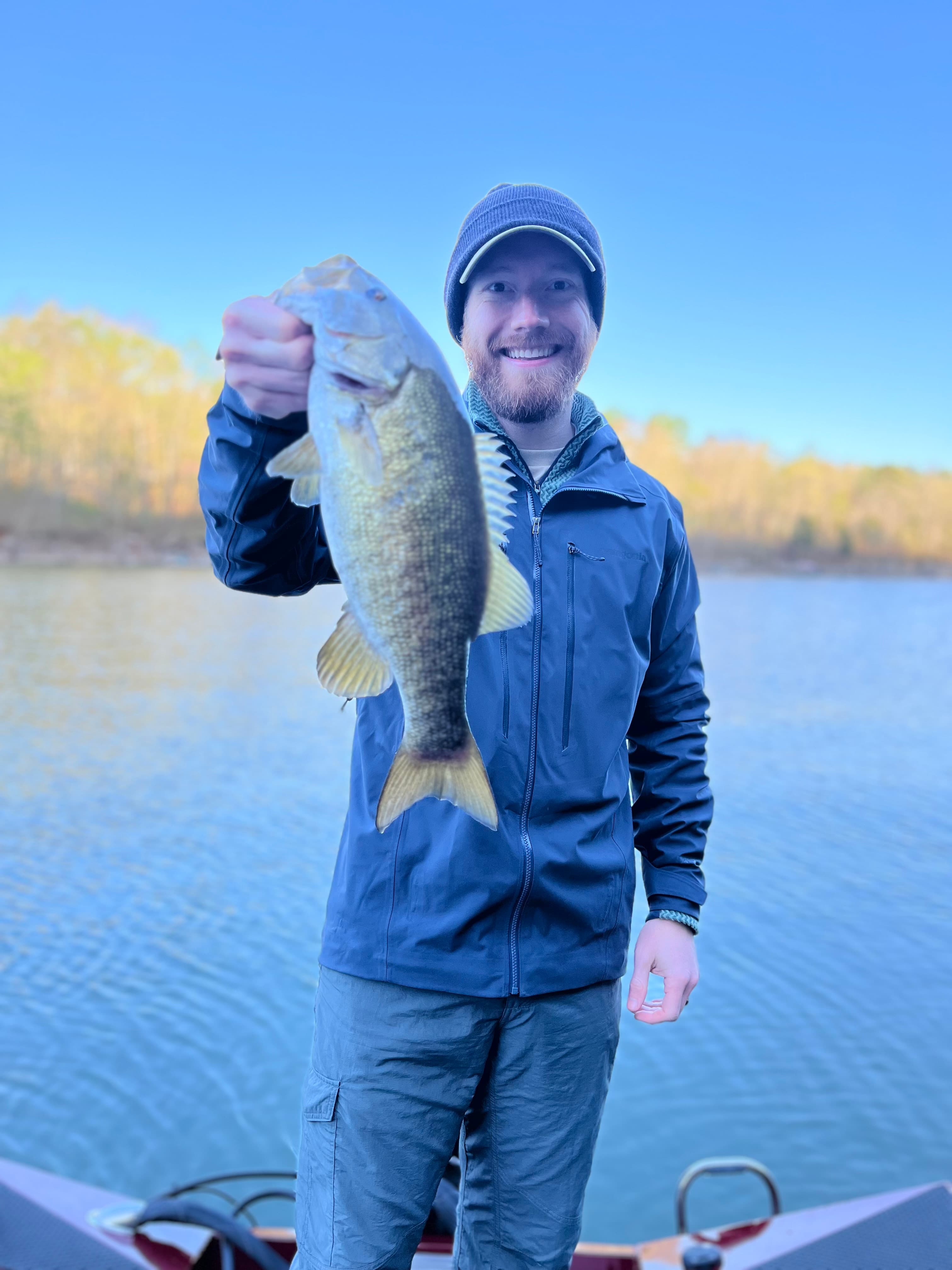
Smallmouth Bass
The bronze bomber of Cumberland
Preferred Habitat
- •Rocky main-lake points and channel swings
- •Chunk rock banks with current influence
- •Bluff walls and steep rocky banks
- •Clearer water sections of the lake
Key Characteristics
- •Most aggressive fighters pound-for-pound
- •Highly responsive to current and generation
- •Often relate to structure rather than cover
- •Prefer crawfish imitations in spring/fall
Top Techniques on Cumberland
Ned rigs, swimbaits on rocky flats
Drop shots, football jigs on deep points
Crankbaits, tail spinners on main lake
Pro tip: Smallmouth on Cumberland respond extremely well to current from dam generation. When the water is moving, focus on channel swing banks and main-lake points where current creates feeding seams.
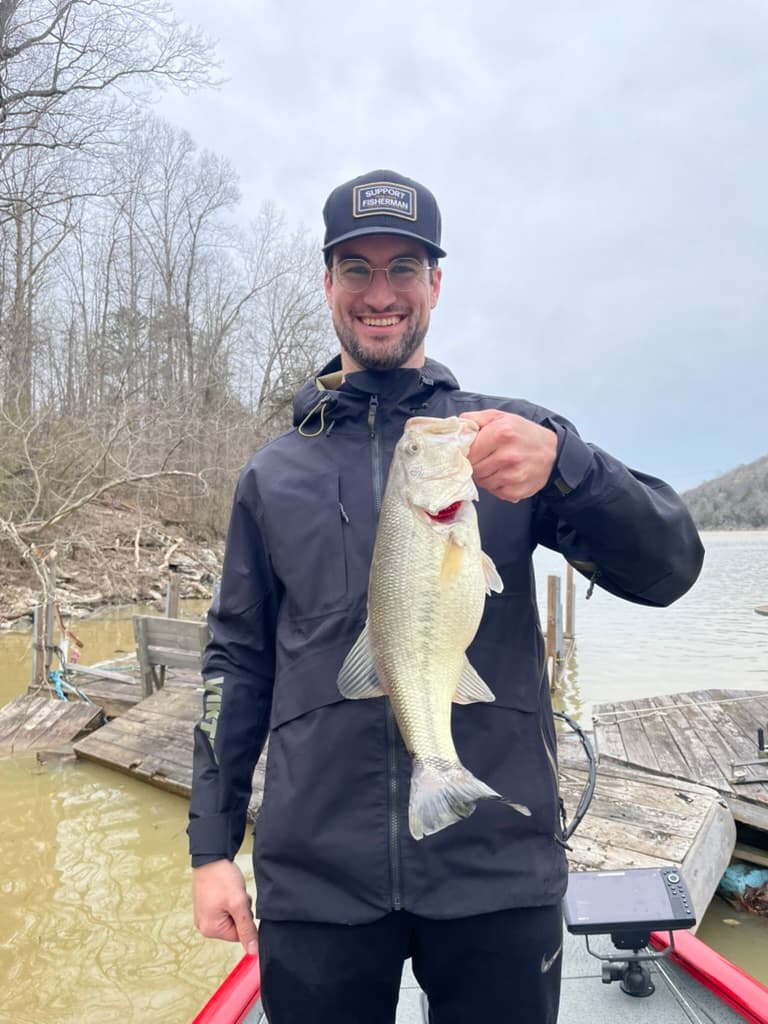
Largemouth Bass
The classic bass of the creeks
Preferred Habitat
- •Creek arms with stained water
- •Docks, laydowns, and wood cover
- •Flooded bushes and timber (when water is up)
- •Grass and vegetation in upper creeks
Key Characteristics
- •Cover-oriented—rarely far from wood or structure
- •More tolerant of stained/muddy water
- •Ambush feeders—sit and wait for prey
- •Most predictable shallow-water patterns
Top Techniques on Cumberland
Spinnerbaits, jigs around wood cover
Flipping docks, topwater early/late
Squarebills in creeks, jigs on wood
Pro tip: Rising water is prime time for Cumberland largemouth. When the lake comes up, they push into newly flooded bushes and timber aggressively. Focus on the back thirds of creek arms with fresh cover.
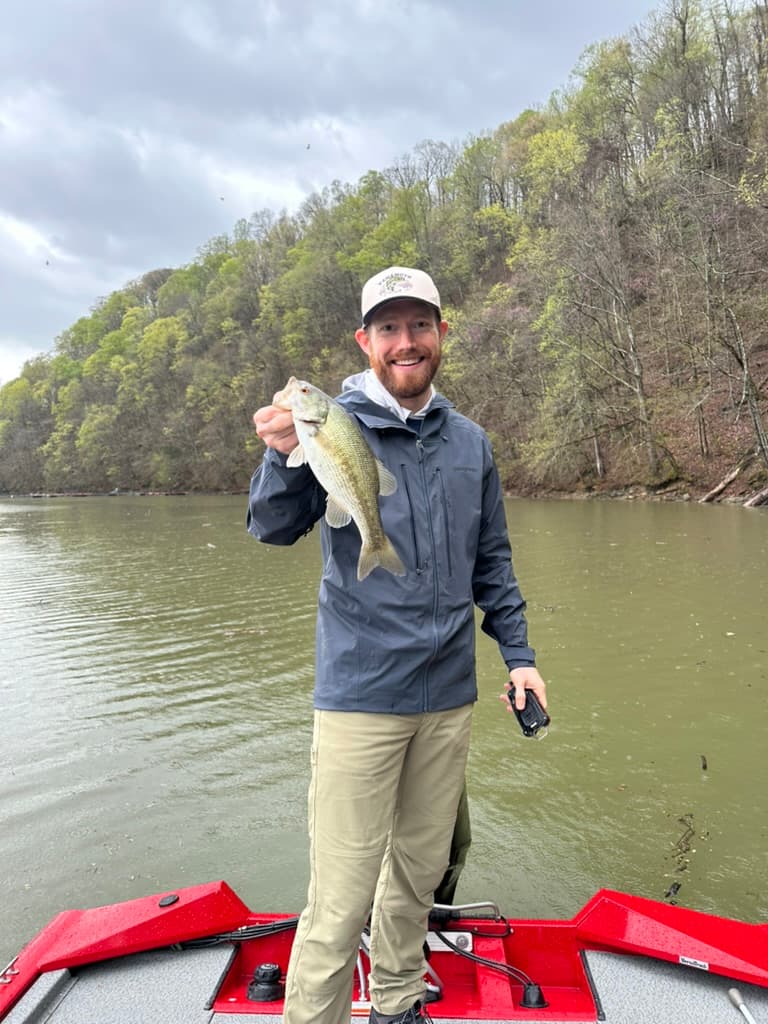
Spotted Bass (Kentucky Bass)
The most abundant bass on Cumberland
Preferred Habitat
- •Suspended over deep water near structure
- •Bluff walls and vertical rock faces
- •Main lake points and ledges
- •Anywhere baitfish are schooling
Key Characteristics
- •Most likely to suspend off structure
- •School heavily—where there's one, there's more
- •Can spawn at variable depths
- •Most aggressive toward shad imitations
Top Techniques on Cumberland
Swimbaits, jerkbaits on bluffs
Drop shots, spoons over schools
A-rigs, crankbaits following bait
Pro tip: Spots are the most abundant bass on Cumberland and often the easiest to pattern. Look for them suspended near bluff walls or following shad schools on your electronics. They'll stack up in predictable areas year after year.
Spawn Behavior: Key Differences
One of the most important distinctions between species is their spawning behavior. Understanding these differences can help you target the right fish at the right time during the critical spring season.
Smallmouth
- • Spawn temp: 55-65°F
- • Often first to spawn
- • Prefer pea gravel/rock
- • Beds on main lake banks
Largemouth
- • Spawn temp: 62-72°F
- • Need protected areas
- • Prefer harder bottom
- • Beds in creek arms/pockets
Spotted
- • Spawn temp: 57-70°F
- • Variable depth spawners
- • Less predictable timing
- • Often spawn deeper
Quick Comparison: At a Glance
| Factor | Smallmouth | Largemouth | Spotted |
|---|---|---|---|
| Primary Water | Clear, main lake | Stained, creeks | Both |
| Cover vs Structure | Structure | Cover | Both |
| Depth Preference | Medium-deep | Shallow-medium | Variable/suspended |
| Bait Preference | Crawfish | Varied | Shad |
| Best Season | Spring/Fall | Spring/Summer | Year-round |
| Current Response | Excellent | Minimal | Good |
Final Thoughts
The beauty of Lake Cumberland is that you don't have to choose—you can target all three species in a single trip. Many successful anglers start the day targeting largemouth in the backs of creeks, then move to main-lake structure for smallmouth and spots as the day progresses.
Pay attention to what species you're catching and where. When you find a pattern producing quality fish of one species, lean into it. The more you understand each species' unique behaviors, the more consistently you'll put fish in the boat.