Seasonal Patterns

Understanding bass behavior throughout the year on Lake Cumberland

FallWinter (Coming Soon)Spring (Coming Soon)Summer (Coming Soon)

Fall Fishing on Lake Cumberland

Let us be clear: we LOVE fall fishing on Lake Cumberland, and you should too.

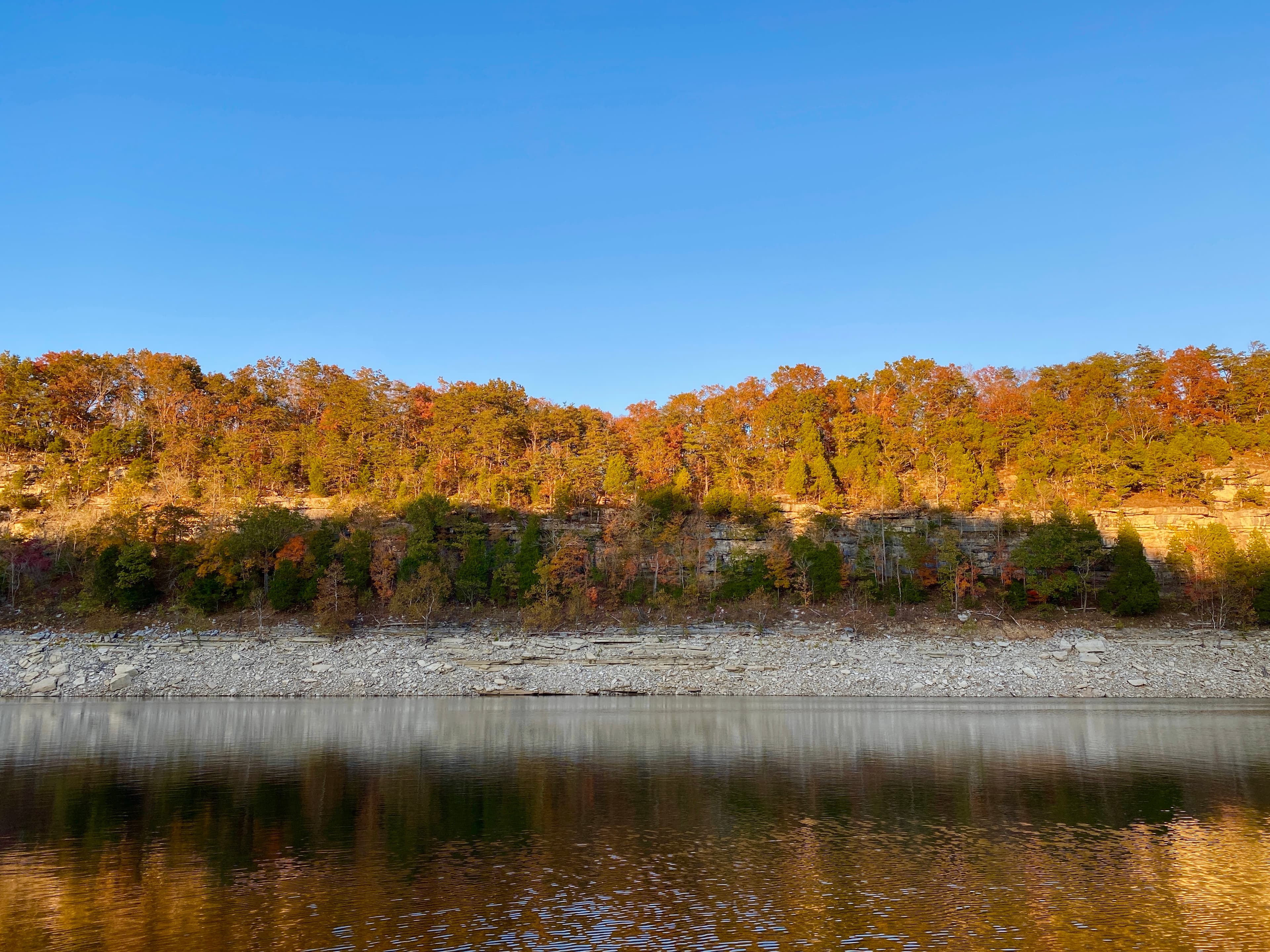
Sure, there are plenty of reasons to love spring fishing (and we do), but there's something truly special about fall. You can feel the sunsets creeping earlier, the evenings growing colder, and the air getting crisper. The sweaty summer slog is over. The wakeboats and jet skis are gone, and now is the time to catch some true giants.

So why fall? The Fall Feed.

The Fall Feed

Bass, like many animals, need to feed up before winter. This means they're not only bigger in weight than during summer or winter, but they're also more actively feeding. However, there's a catch—fall fishing can sometimes produce some frustrating days on the water.

We've caught some absolute tanks in the fall, and we're here to share our high-level approach focused on fall patterns. For more detailed examples, check out our posts for specific days and patterns.

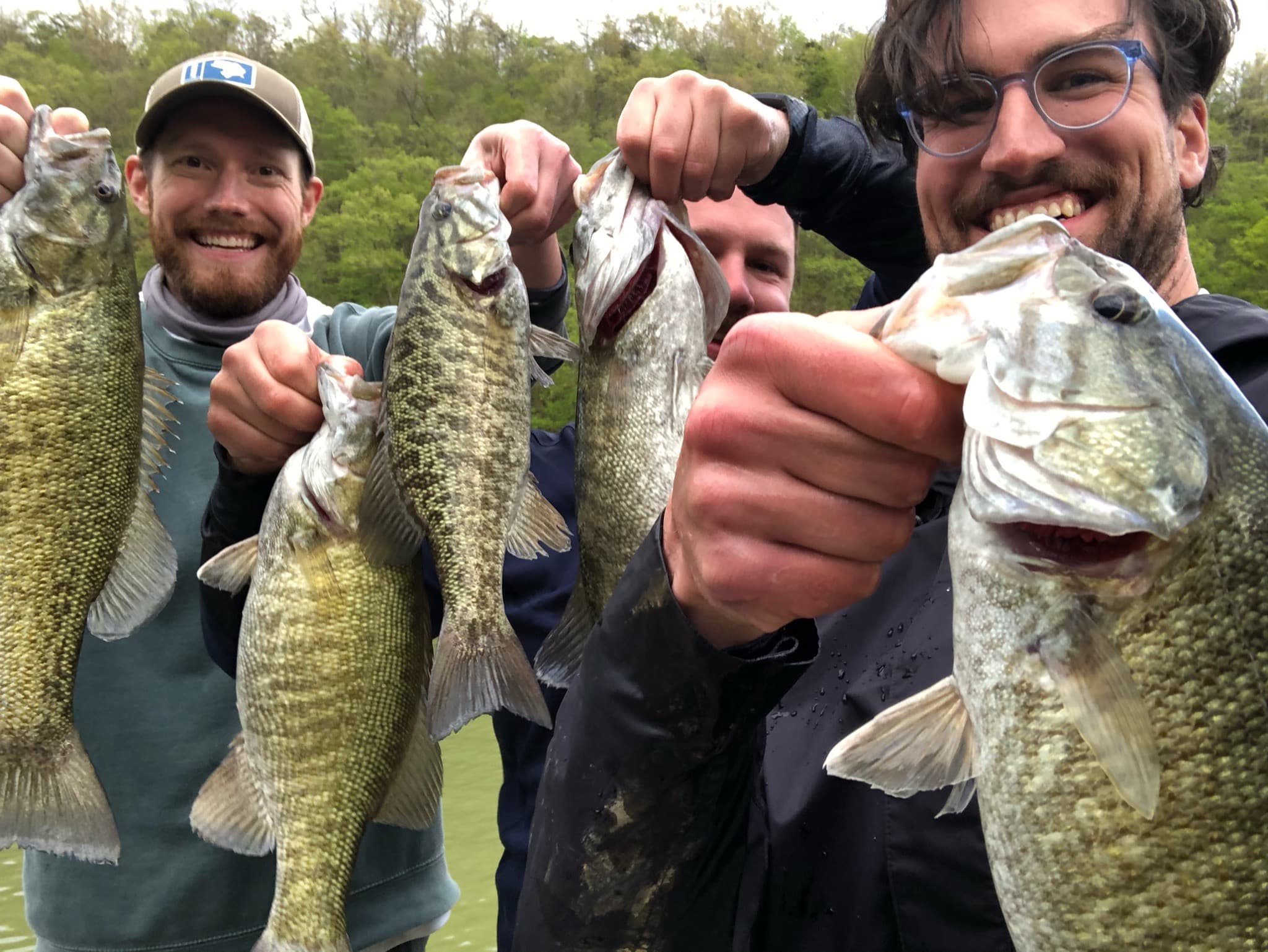
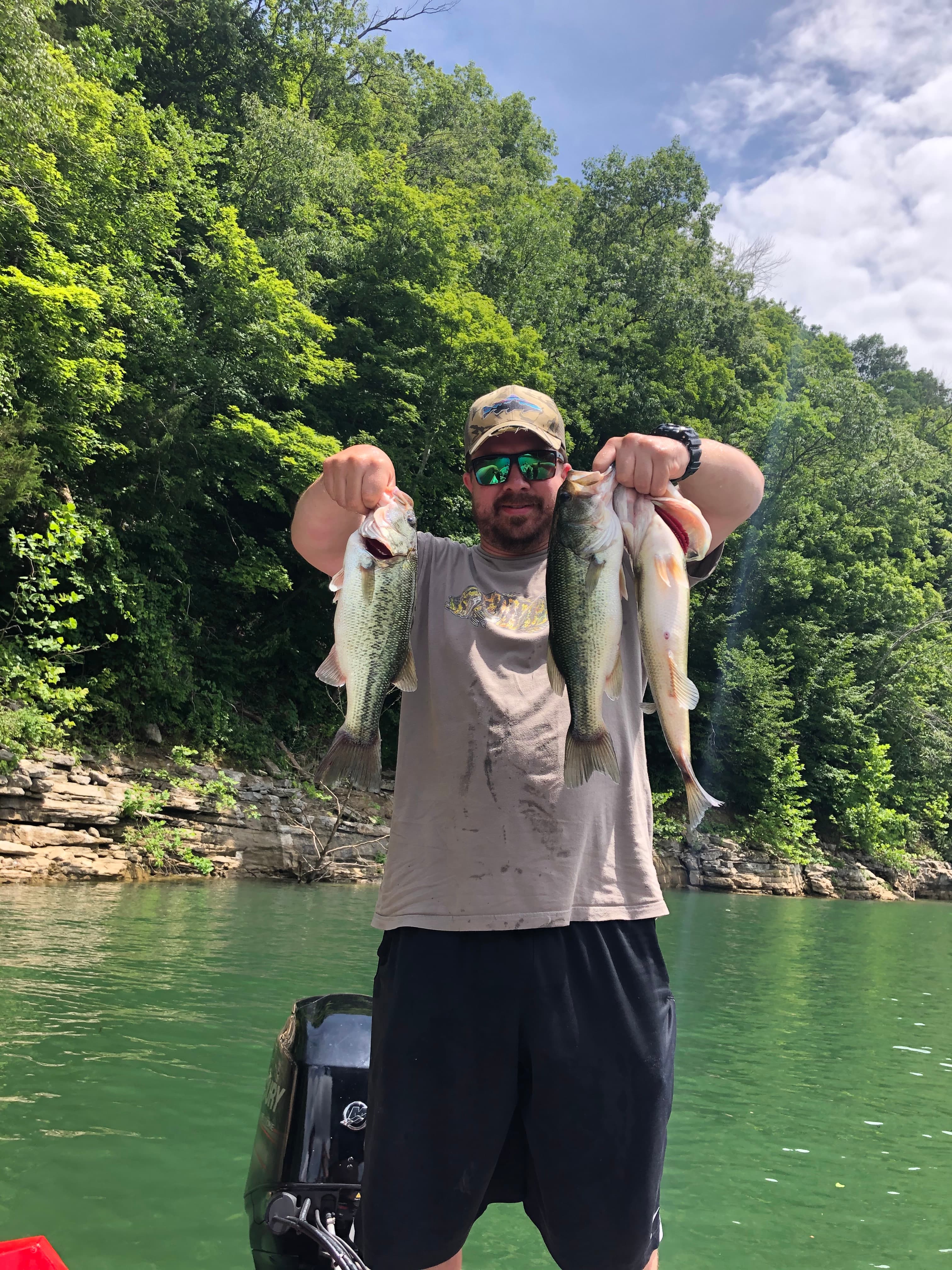
Fall bass caught on buzzbait

These bass were caught on a buzzbait in the fall 2023 on Cumberland

Fall fishing success on Lake Cumberland

The Three Distinct Fall Periods

Fall fishing can be divided into three main periods: Early Fall Transition, Peak Fall ("The Fall Feed"), and Late Fall Transition. No matter where you are in the country, the general cues for the fall season are the same: air temperatures dropping, water temperatures decreasing, and shorter days with less light.

1

Early Fall Transition

The key to early fall fishing? BAIT, BAIT, BAIT. The focus during this period is all about finding baitfish, as bass are moving to follow their food source. Baitfish are transitioning to the shallows, and the bass are right behind them, chasing them into creeks, pockets, shoals, humps, and flats.

Bass will often stop on breaks in the path to the back of the pocket—these could be main points, secondary points, lone docks, trees, or patches of grass. It's all about staying mobile and following the bait. Don't get stuck on a "spot" just because you caught them there yesterday - the bass move with the bait.

2

Peak Fall / The Fall Feed

This is the period where bass are gorging, eating, schooling up, and chasing bait. With water temperatures in the high 60s to 70s and the leaves changing color, the bass have followed the baitfish all the way back into creeks and flats.

At this point, it's less about transition and more about location—the fish are already where the food is, and they're aggressively feeding. Expect bass to be highly concentrated around the biggest bait schools. This is prime time for fast-moving baits like crankbaits and topwater lures.

3

Late Fall Transition / Migration

Late fall is when the bass begin to leave their fall locations and transition toward their winter patterns. Temperatures drop significantly, and you can feel the difference in the air. This period can be the trickiest time to fish in the fall.

Bass will exit the shallow areas they were feeding in, often stopping at points or structures they used during the early fall—anything that breaks the contour, like points, humps, or rock piles. The movement is similar to early fall, just in reverse.

Shallow vs. Deep Bass in Fall

During the fall, bass can generally be divided into two groups: shallow bass and deep bass. Understanding where each group is likely to be found can help you target them more effectively.

Shallow Bass

These bass are found around the backs of creeks and coves, along grass lines, and up against hard cover like laydown trees, docks, and rock piles. As the vegetation starts to die, shallow bass will move to the liveliest grass beds or shift to hard cover like stumps and docks. Look for creek arms with deep water access all the way back, which allows the bass to corral baitfish throughout the area.

Deep Bass

These fish are focused on structures like bluff walls, creek channel bends, long tapering points, and offshore humps. Deep bass will gather around the best structures with quick access to deep water. This movement is entirely baitfish-driven, so finding bait is crucial for targeting deep bass. Primary points near deep water are especially productive, as they offer verticality—bass can move up to feed and retreat to deeper water for security.

Targeting Shallow Water Bass

PRIME AREAS FOR SHALLOW WATER BASS ON CUMBERLAND

These images of Cumberland are courtesy of the Tactical Bassin YouTube channel, which we love and recommend. Here they highlight where to go for "shallow bass".

Shallow water bass areas on Lake Cumberland - Map 1Shallow water bass areas on Lake Cumberland - Map 2

For this pattern, you want to target the back of long creeks, especially those holding large schools of baitfish. When we say the back, we mean the back. We joke about not being afraid to fish the mud. We've had fantastic days fishing extremely shallow water.

Favorite Baits
  • Topwater: Frogs, poppers, pencil poppers, buzz baits
  • Moving baits: Squarebills, crankbaits, swimbaits, jerkbaits, chatterbaits
Color Selection

Red is a great color to throw in the fall, but the better the visibility (clear water, sunny day), the more we prefer natural colors. The depth will dictate how shallow a bait you want (deep diving crank vs. square bill).

Key Targets
  • Early fall: Shallow wood cover - laydowns, bushes, docks
  • As season progresses: Rock structures and riprap as bass transition from wood to rock
  • On Cumberland: Where you can see rock type transitions on channel swings or creek arms
  • Bridges: Gravel rock and brush around them - scattered rock holds heat

Targeting Deep Water Bass

PRIME AREAS FOR DEEP WATER BASS ON CUMBERLAND
Deep water bass areas on Lake Cumberland - Map 1Deep water bass areas on Lake Cumberland - Map 2

For these fish you want to target structures like bluff walls, creek channel swings, offshore humps, and long tapering points. Channel swing banks provide verticality, making them ideal for bass that need easy access to deep water. Fish laydowns, boat docks, rocky banks, and sunken brush piles along these swings. As always, look for distinct "transition points" on channel swings—the most obvious are changes in rock type.

Favorite Baits
  • Topwater: Poppers, pencil poppers, buzz baits (morning or shaded banks)
  • Moving baits: Deeper diving crankbaits (DT-10+), swimbaits, jerkbaits, chatterbaits
  • Vertical/yo-yo: Spoons, tailspins, blade baits
Color Selection

Red is a great color to throw in the fall, but the better the visibility (clear water, sunny day), the more we prefer natural colors.

Key Targets
  • Bluff walls: Vertical structure with deep water access
  • Channel swings: Look for rock type transitions
  • Offshore humps: Where bait congregates
  • Long tapering points: Primary points near deep water